What 1,082 Home Energy Audits Reveal About Where Homeowners Waste Money
We analyzed 1,082 real HomeBoost audits to find the home energy fixes with the best payback. Spoiler: the cheapest fixes win.
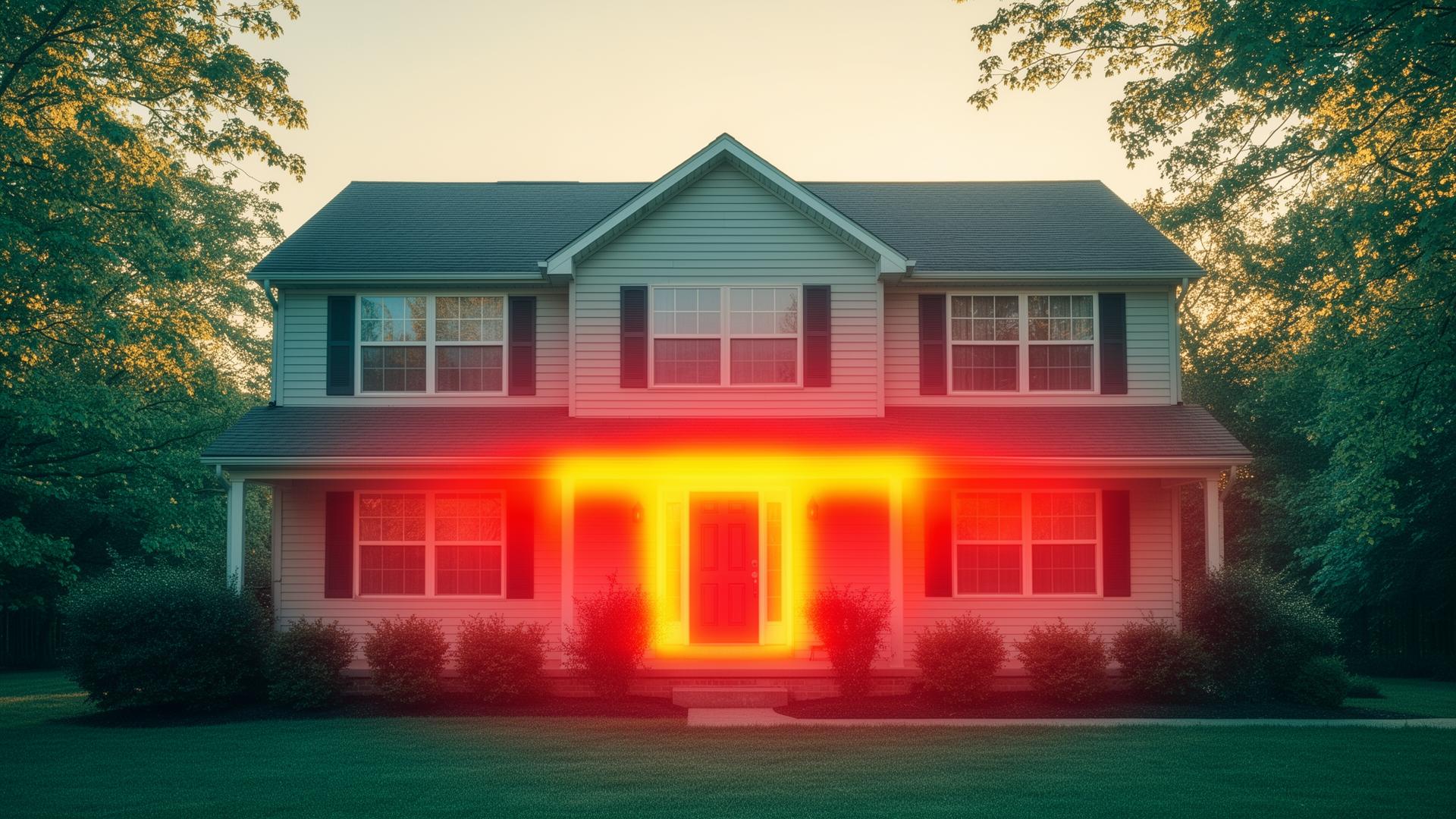
What 1,082 real home energy audits reveal about where your money is going — and the small fixes that pay the biggest dividends.
If your house feels drafty in winter, your energy bills creep up every year, or you just have a nagging hunch that you're paying more than you should — you're probably right. The hard part is knowing exactly where the money is slipping away.
So we dug into 1,082 real home energy audits from the HomeBoost dataset and tracked every fix homeowners were told to make: what it costs, how much it saves each year, and how quickly it pays for itself (a number called the savings-to-investment ratio, or SIR — more on that in a second). What came back is a clear, no-guesswork map of where your energy dollars go — and which fixes put the most money back in your pocket, fastest.
Most homes have more than 11 things to fix — and that's good news
Here's the first surprise: energy waste is almost never one big, scary problem. Across the dataset, 1,081 of 1,082 homes had at least one fix worth making, and the average home had 11.23 recommendations.
That might sound overwhelming, but it's actually great news. It means you're usually not staring down a single $10,000 renovation. Instead, you're looking at a stack of smaller, often do-it-yourself fixes that add up. (For reference, the typical home in the data was about 2,239 sq ft and built around 1970 — an age where small sealing gaps are extremely common.)
In this guide we zero in on the simplest, most dependable of those fixes — the ones most homeowners can tackle themselves — rather than the big-ticket projects whose payback swings widely from house to house. Want the personalized list for your own home without paying for a pro? A professional energy audit averages $437 and ties up 2–4 hours of your day. The HomeBoost $99 DIY Home Energy Audit Kit gives you the same kind of prioritized fix list for a fraction of the price — on your own schedule, no appointment required. Want to see what those fixes save in real dollar terms? We break down full payback periods and ROI by home age and climate in our Home Energy Audit Savings Guide.
The most common DIY-friendly fixes across 1,082 homes
A handful of fixes showed up again and again. Among the most practical, do-it-yourself-friendly improvements, window treatments led the way, recommended in 797 of 1,082 homes (73.7%), with simple air-sealing close behind.
Here are the most common of these fixes, along with what they typically cost, how much they save per year, and their average SIR (remember, that's roughly how many times over the fix pays for itself):
| Fix category | Homes | % of 1,082 | Avg cost | Avg annual savings | Avg SIR |
|---|---|---|---|---|---|
| Window treatments | 797 | 73.7% | $1,395.35 | $158.68 | 2.19 |
| Door / weatherization sealing | 639 | 59.1% | $62.89 | $52.94 | 10.85 |
| Weatherstripping & caulking | 639 | 59.1% | $69.05 | $25.62 | 3.87 |
| HVAC filter | 455 | 42.1% | $41.33 | $84.89 | 4.05 |
| Smart thermostat | 420 | 38.8% | $105.28 | $148.40 | 8.87 |
One thing jumps right out: cheap air-sealing is everywhere. Door/weatherization sealing and weatherstripping & caulking each showed up in 639 homes (59.1%). These are the small, easy-to-miss leaks that quietly drain your heating and cooling all year long — and they're often the easiest things to fix yourself.
The best fixes aren't the most expensive ones
It's natural to assume that spending more means saving more. The audit data shows the opposite is usually true — some of the cheapest fixes deliver the biggest returns.
The standout is window/door upgrades, which cost just $35.62 on average but returned an average SIR of 21.25 — the best payback in the entire dataset. In plain terms, that's about $21 back for every $1 you spend over the life of the fix. Door/weatherization sealing (avg $62.89 cost, SIR 10.85) and a smart thermostat (avg $105.28 cost, SIR 8.87) tell the same story: small cost, big payoff.
Here's a simple rule of thumb: any SIR above 1 means a fix more than pays for itself over its lifetime. Every fix in the table above clears that bar easily — so these aren't expenses, they're investments that hand money back to you.
What the audits say about cost and payback overall
Zoom out to every fix the audits recommended — including the bigger-ticket projects we're not focusing on here — and the same theme holds: most savings come from small, affordable improvements. The median fix costs just $25 to install, while the average is $237.50. That gap tells the whole story — a few large projects pull the average up, but the majority of fixes are inexpensive.
With a median SIR of 3.6, the typical recommended fix pays back several times what it costs over its lifetime. The takeaway is simple and consistent: you don't need one massive renovation to start saving. A series of affordable, high-return fixes usually does the job — and you can tackle many of them yourself.
Frequently asked questions
What is the most common energy fix homeowners need?
Among the most practical, DIY-friendly fixes, window treatments were the most common recommendation, appearing in 797 homes (73.7%). Simple air-sealing followed closely — door/weatherization sealing and weatherstripping & caulking each appeared in 639 homes (59.1%).
Which energy fixes give the best return on investment?
By savings-to-investment ratio, window/door upgrades led with an average SIR of 21.25 at an average cost of just $35.62. Door/weatherization sealing (SIR 10.85) and smart thermostats (SIR 8.87) also delivered strong returns.
How many fixes does the average home need?
The average home in the dataset received 11.23 recommended fixes, and 1,081 of 1,082 homes had at least one. Energy savings typically come from stacking several smaller improvements rather than one large project, so this guide focuses on the simplest, most dependable of them.
Is a DIY energy audit a real alternative to a professional one?
A professional energy audit averages $437 and takes 2–4 hours. The HomeBoost DIY kit is a lower-cost alternative that produces a prioritized list of fixes drawn from the same kind of assessment data behind these 1,082 audits — on your own schedule.
How much can small fixes actually save?
Even low-cost measures add up. For example, smart thermostats averaged $148.40 in annual savings, HVAC filters $84.89, and window/door upgrades $305.69 — all from fixes with modest upfront costs.
What does SIR mean and why does it matter?
SIR (savings-to-investment ratio) compares a fix's lifetime savings to its cost — basically, how many dollars you get back for each dollar you spend. An SIR above 1 means the fix pays for itself; the dataset's median SIR is 3.6, meaning most recommended fixes return well over their cost.
Find your home's hidden waste — and the rebates to help pay for it
The data is clear: most homes are quietly losing money through small, fixable gaps — and the fixes with the best returns are usually the cheapest ones. The only thing standing between you and those savings is knowing exactly where to look.
That's exactly what the $99 HomeBoost energy kit is built for. It hands you a personalized, prioritized fix list — for a fraction of the $437 average cost of a professional audit, and without blocking out 2–4 hours for an in-home visit. And once you know what to fix, our rebate matching tool connects you with available rebates that can help cover the cost.
Start your audit today and turn your home's hidden waste into a clear, money-saving plan.